
20 essential travel questions answered by local dive experts. From visas to packing lists, everything you need to plan your trip to Drake Bay, Costa Rica.
We’ve heard every question: from visa paperwork to boat schedules, from what to pack to where the nearest ATM is. After 20 years welcoming divers from around the world, we’ve compiled the answers that actually matter.
Read this before you fly. Arrive prepared. Spend your time where it counts — underwater.
Citizens of the US, Canada, UK, Australia, New Zealand and EU/EEA countries can enter Costa Rica visa-free for up to 90 days (UK passport holders: up to 180 days).
You will need:
Have your hotel booking and dive trip confirmation on your phone or printed. Immigration officers may grant fewer than 90 days based on their assessment of your documentation.

Your passport is the primary identification document accepted by authorities. Carry either the original or a certified photocopy. Beyond that, keep these accessible:
Important for Drake Bay: the area is largely cash-only, so keeping your financial documents handy is also wise. Make digital copies of everything and store them in cloud storage before you leave home.

Costa Rica requires proof of yellow fever vaccination only if you are coming from countries listed as endemic transmission risk areas (Angola, Brazil, DRC, Uganda). For travelers from the US, UK, Europe, Canada, or Australia, no vaccination certificate is required to enter.
That said, these are strongly recommended for the Osa Peninsula:
COVID-19 restrictions ended in April 2022. Pack a quality insect repellent with DEET — Drake Bay is a rainforest environment.

Costa Rica’s official currency is the colón (₡). The exchange rate fluctuates but is usually between 500–600 colones per 1 US dollar. US dollars are also widely accepted for tourism-related services — hotels, tours, shuttles, and rental cars are usually priced in USD.
For everything else — local buses, small restaurants, market stalls — colones are expected.
Critical for Drake Bay: there are no ATMs in the village of Agujitas. Withdraw colones and/or USD before you board the boat in Sierpe. Budget $300–$500 per person per week for tours, food and drinks. Only bring fives, tens and twenties — it is very hard to break $50 or $100 bills. All bills must be in perfect condition.

Tipping culture in Costa Rica is more relaxed than in the US, but it’s appreciated and increasingly expected in the tourism industry.
Practical guidelines:
In remote locations like Drake Bay, tipping well is a meaningful way to support the local economy. Small bills in USD work perfectly.

Costa Rica has two clearly defined seasons:
For Drake Bay specifically, the wet season paradoxically offers the richest dive experience. Don’t let «rainy season» put you off — it rarely rains all day.

Drake Bay is worth visiting year-round, but each season offers a different experience:
For big animal encounters: July to October is the magic window. For visibility and comfort for beginners: January to March is hard to beat.
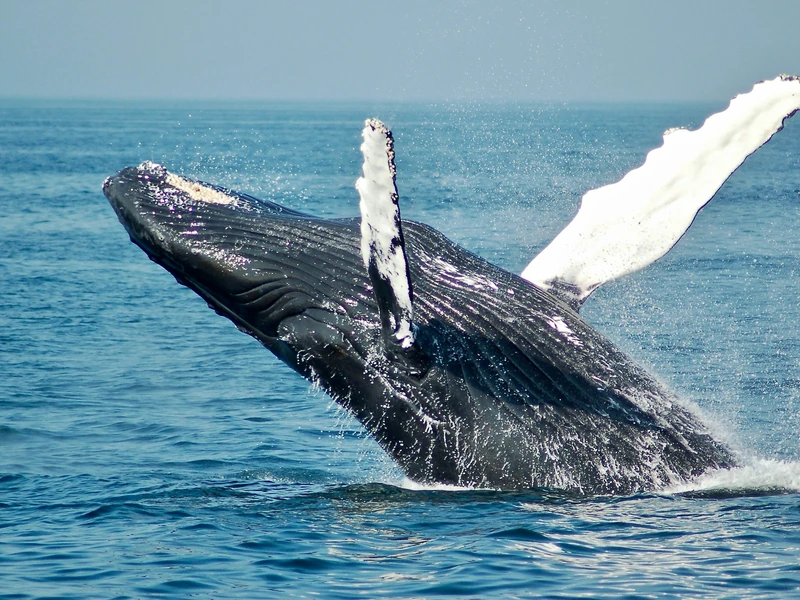
The wet season reputation is worse than the reality. A typical wet-season day in Drake Bay: sunny and dry from early morning until midday, followed by a 2–3 hour downpour in the afternoon, then clear skies again by early evening.
Our dive trips depart at 7:30 AM — you’ll be back on shore before the rain starts. In practical terms, diving in the wet season often means fewer boats in the water, more fish on the reef, and larger pelagic animals.
September and October are the most reliably rainy months — if you’re sensitive to grey skies, aim for May, June, July or August instead. Pack a lightweight rain jacket and use it for 2 hours per day. Spend the rest doing exactly what you came to do.
Costa Rica has two international airports that receive direct flights from North America and Europe:
For Drake Bay: fly into San José (SJO).

There are three realistic options:
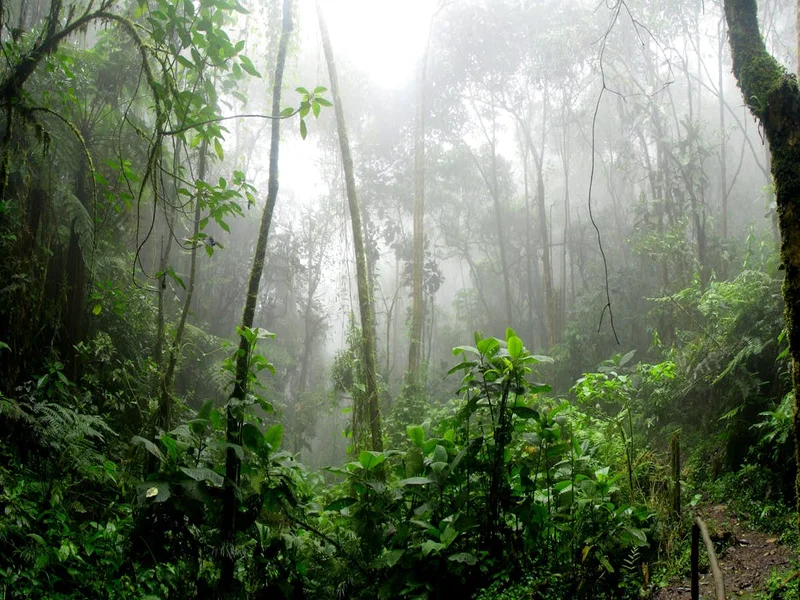
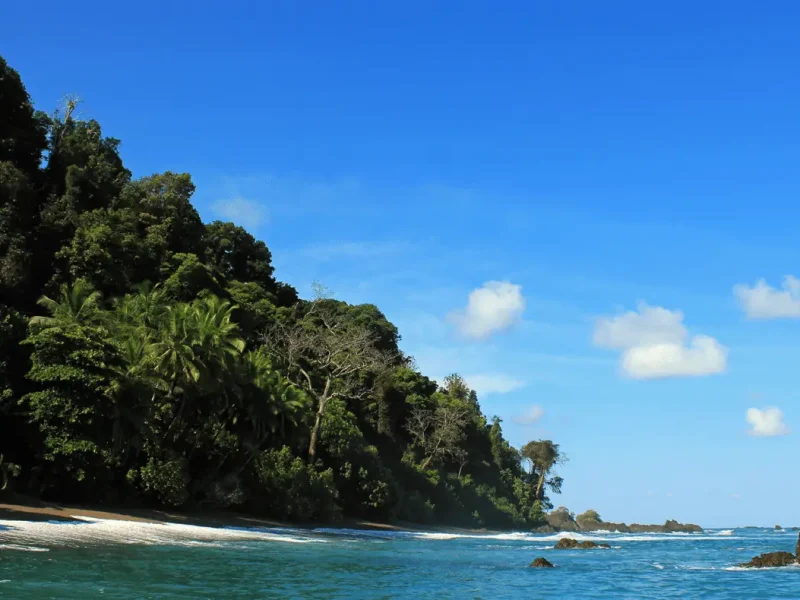
The boat journey from Sierpe to Drake Bay is one of the most memorable parts of the trip — part adventure, part wildlife tour. The journey takes approximately 45–75 minutes depending on sea conditions. You’ll travel through the Terraba-Sierpe Mangrove National Wetlands, then out into the open Pacific. Keep your eyes open — iguanas, herons, crocodiles and monkeys are often spotted.
Key practical details:
Technically yes — but only with careful planning:
Our recommendation: fly into San José, spend your first night near the airport, and travel to Drake Bay the following morning refreshed. If you’d like to make the most of the journey, spending a night in Manuel Antonio or Dominical adds two of Costa Rica’s highlights to your itinerary before you even reach us.
If you’re driving: a high-clearance 4×4 is required during the rainier months (roughly August through December). During dry season, a high-clearance 2WD SUV can manage the route, but a 4×4 is always safer.
However, if you’re taking the Sierpe boat route (the most popular option), you don’t need a vehicle at all. You can take a shared or private shuttle from San José to Sierpe, or park your rental car at the Sierpe dock (paid parking available at the Oleaje Sereno restaurant).
Ideal cars include the Suzuki Vitara 4WD, Toyota RAV4, Toyota Hilux, and similar high-clearance 4×4 models. Standard compact cars should not attempt the final section at any time of year.

One of the great advantages of Drake Bay as your final stop is that you pass through several world-class destinations en route from San José:
A 7–10 day trip is the sweet spot for a balanced itinerary including beaches, jungles, and adventure. For a trip that combines Costa Rica’s highlights with time at Drake Bay, we recommend a minimum of 10–12 days:
If you want to fully immerse yourself in the pura vida lifestyle, 2–3 weeks gives you time to explore both coasts and take day trips to waterfalls, coffee farms and wildlife reserves.
Wi-Fi: Most hotels and lodges in Agujitas offer Wi-Fi, though connection speed and reliability vary. Don’t expect to stream HD video or join video calls without interruption. Consider Drake Bay a digital detox opportunity.
Mobile signal: Kolbi (the main Costa Rican carrier) provides 4G signal almost the entire route to Drake Bay and within the village. Claro and Movistar have more limited coverage in the Osa Peninsula.
We recommend purchasing a Costa Rican SIM card (available at SJO airport and supermarkets) with a Kolbi data package. At Drake Divers, we communicate with clients via WhatsApp — our dive briefings use a WhatsApp group for weather updates and departure times.

There are no ATMs in Agujitas village (Drake Bay). This is critical information that many travelers discover too late.
The last reliable ATMs before reaching Drake Bay are in:
Fill your tank up with gas in Chacarrita — there are no more gas stations in Drake Bay. Our recommendation: withdraw sufficient cash before leaving Palmar Norte. For a 4-night stay including two dive days, a Corcovado tour and meals, budget approximately $400–$600 per person in cash. We accept major credit cards for pre-booked trips, but for meals, drinks and tips in the village, cash is king.
Spanish is the official language of Costa Rica. In Drake Bay specifically:
Learning a handful of Spanish phrases goes a long way: «¿Cuánto cuesta?» (How much?), «Gracias», «Por favor», «La cuenta, por favor» (The bill, please) will serve you well.
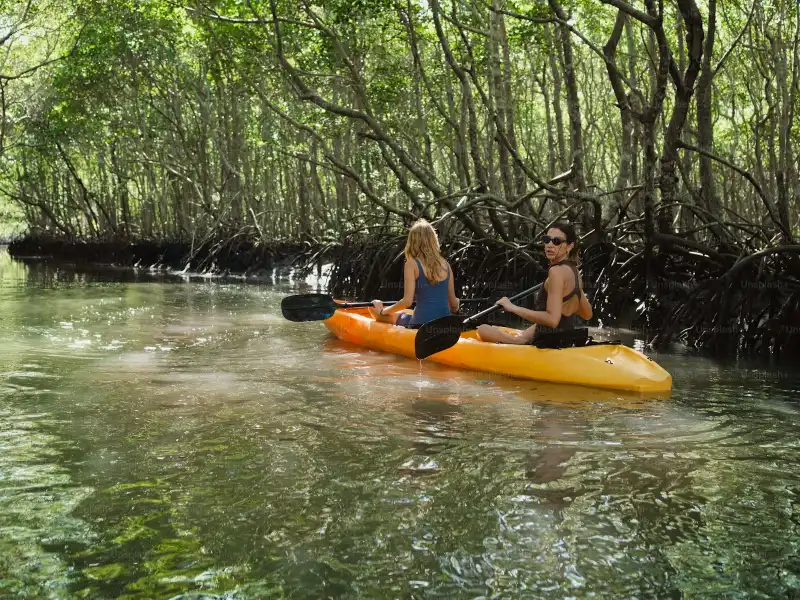
Drake Bay is one of the safest destinations in Costa Rica. It’s a small, tight-knit community where most residents either work in tourism or are connected to someone who does. The risk of petty crime is very low compared to urban areas or heavily touristed beach towns.
Standard travel precautions apply:
The main «safety» concern in Drake Bay is actually nature-related: strong river currents, wildlife encounters and marine hazards. We’ll brief you on all of these before your first dive or tour.
Drake Bay is a remote, humid, rainforest coastal environment. Pack for function, not fashion.
Clothing:
Health & Hygiene:
Practical:

Talk to Us Before You Book
Call or message us directly. Talk to one of our local dive guides. We’ll tell you which sites are running, what’s been sighted recently, and which dive package fits your level and schedule.